






How it works
1
Assemble & place near active burrows
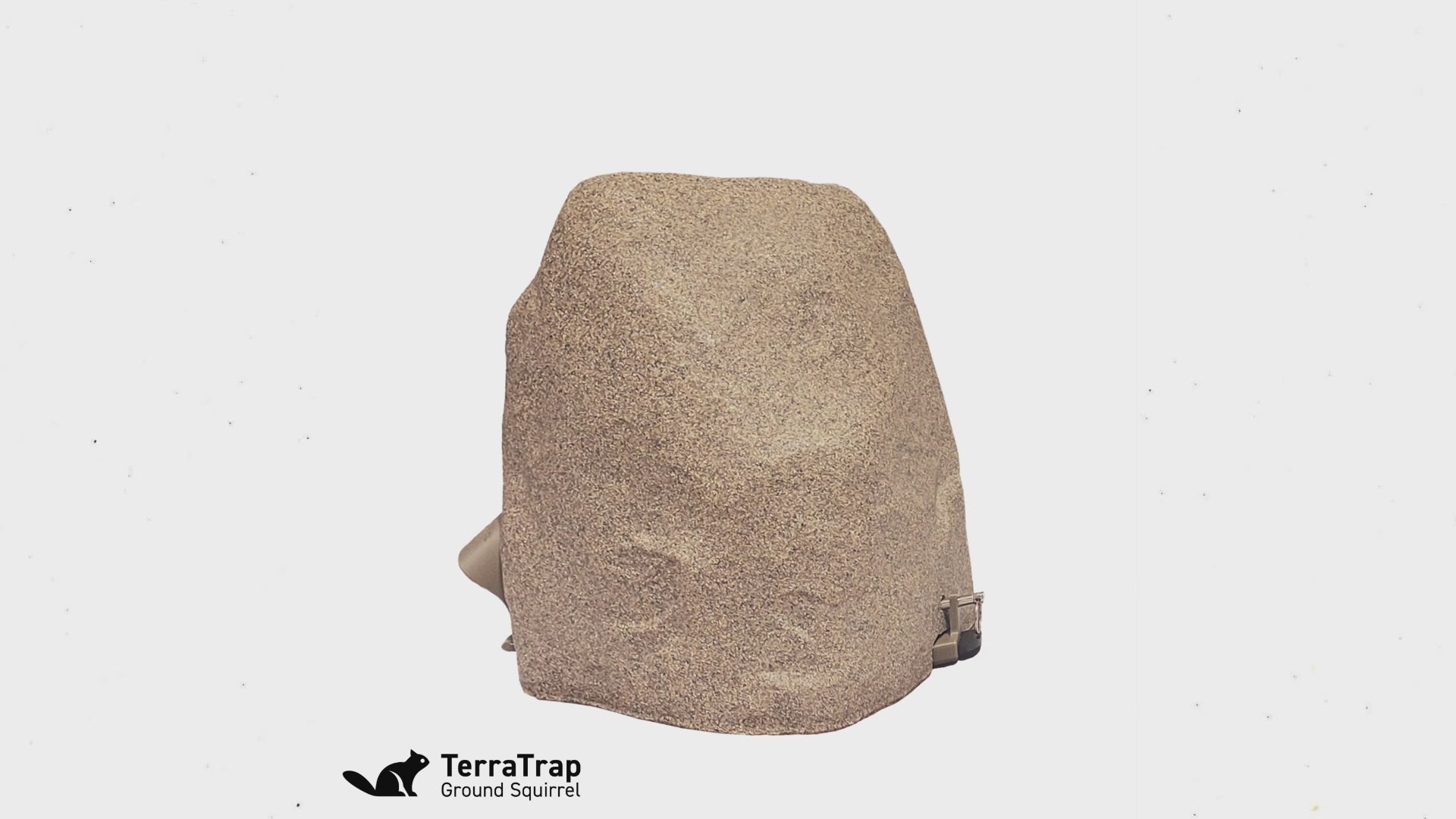
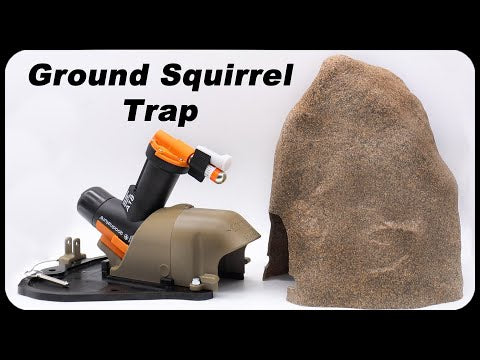
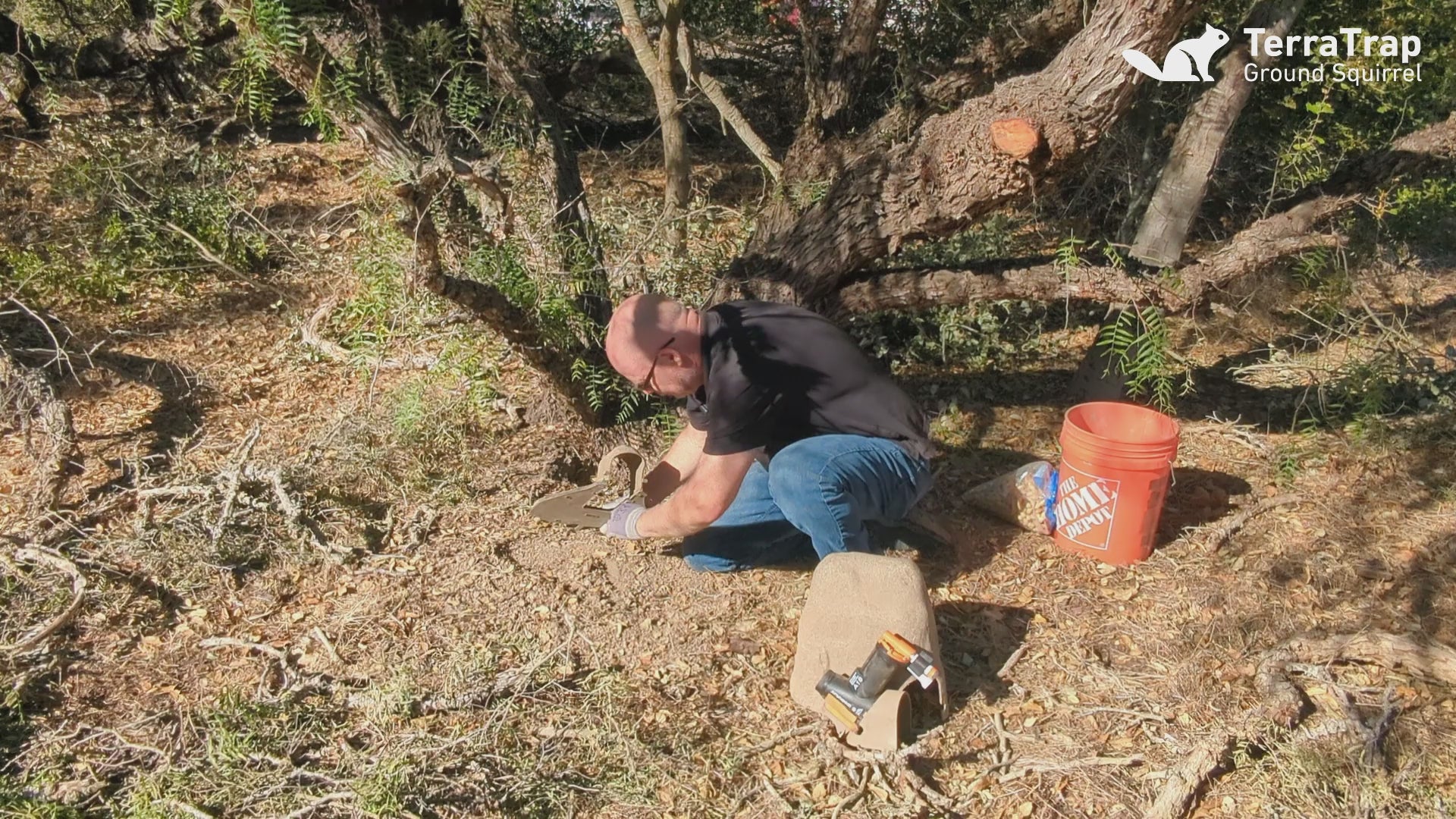
Connect the base, tunnel, and entrance. Position within 50–75 ft of active burrow openings — not directly on top. Rub soil from nearby burrows onto the trap to eliminate human scent.
2
Load your lure
Fill the DIY lure basket with in-shell peanuts. Toss a few into nearby burrows to build squirrel confidence before the trap is armed.
3
Connect your CO2
Screw in the 16g canister. One canister powers up to 18 consecutive kills — the same proven A18 mechanism inside every TerraTrap.
4
Walk away
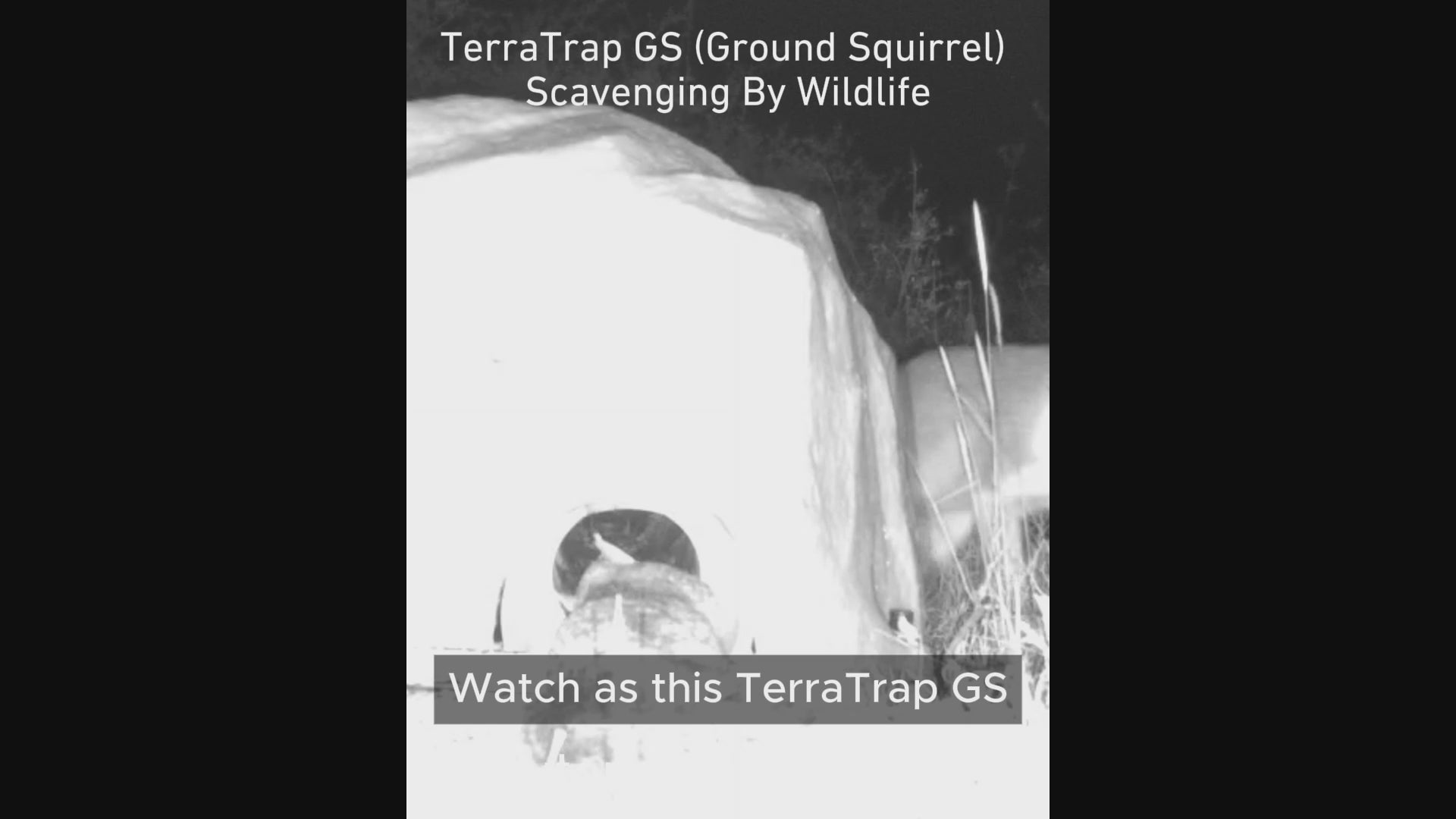
The trap fires, resets, and local scavengers clear the catch for you. Check monthly, not daily.
Set it. Forget it.
Automatic trap with CO2 reset
Safe around kids and pets
No poisons or chemicals, CO2 humane kill
Built to last years, not seasons
Weatherproof housing, stainless components
Ready in under a minute
No snap springs, quick CO2 canister setup
Why TerraTrap
Not all ground squirrel traps are created equal
See how the TerraTrap stacks up — including against the A18 trap it's built on
Auto-resets after kill
No manual resetting
100% toxin-free
Safe for wildlife & livestock
Safe around kids & pets
No secondary poisoning
Rock camouflage design
Squirrels approach without alarm
Self-clearing via scavengers
Wildlife removes the catch for you
No daily check-ins needed
Check weekly, then monthly
Instant humane kill
CO2-powered strike
No special license required
Anyone can use it
Higher catch rate
vs exposed trap design
Our pick
TerraTrap
Best
Inside TerraTrap
A18 alone
Partial
Partial
Traditional
Live traps
Chemical
Poison bait
Partial
Partial
Partial
Depends on setup
See it in action
Real results. Real properties.
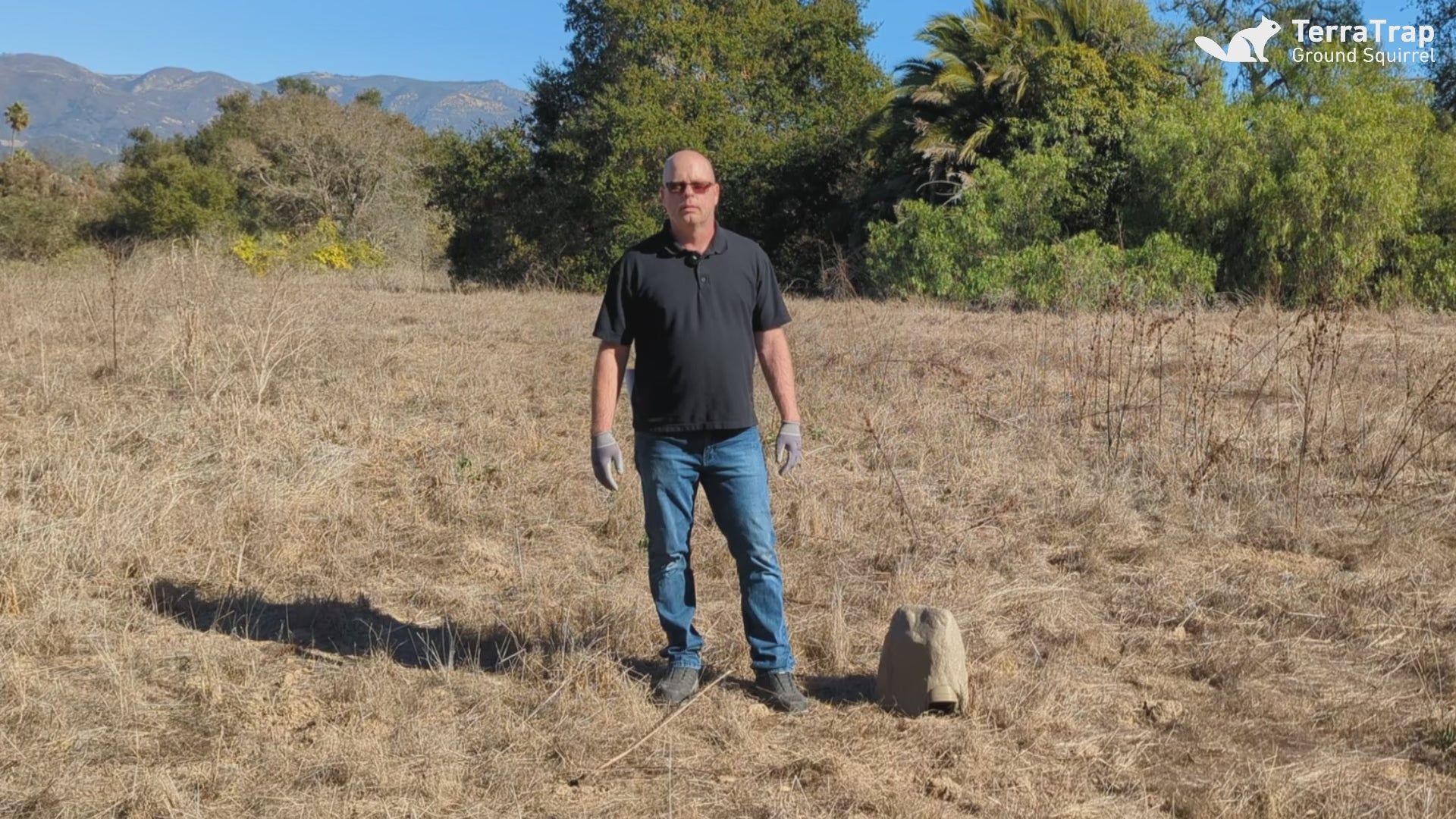
Watch the TerraTrap in the field — from setup to results.
Certified installers
Find a pro near you
Click to interact with the map
Got questions?
Frequently asked questions
How long does it take for squirrels to start using the trap?
With proper setup, squirrels can show activity within a day or two — sometimes even within hours. Most pre-feeding is complete within 3–4 days, at which point you can arm the A18 inside. The key is the dirt bath: rub soil from nearby burrows onto the trap before deployment. This eliminates human scent and transfers familiar squirrel pheromones, making the trap feel like a natural part of the environment.
What's the best bait to use?
Unshelled, unsalted wildlife peanuts are highly recommended — California Ground Squirrels are particularly drawn to them. Fill the lure basket generously and also toss 3–4 peanuts down every open burrow within 40–50 feet of the trap. This introduces the food source to squirrels with zero risk, building their confidence before they approach the TerraTrap itself. If peanuts aren't working, try corn or other dry seeds as local preferences can vary.
Do I need a special license to use the TerraTrap?
No. Unlike rodenticides, which often require a pest control license to apply legally, the TerraTrap requires no special licensing. It can be used by homeowners, farmers, golf courses, and commercial property managers without a permit. Always check your local regulations, as some areas may have specific rules around ground squirrel control.
How often do I need to service the trap?
Once scavengers in the area are routinely removing catches, the trap is largely self-maintaining. Plan to check weekly at first, then move to monthly servicing once the system is established. Monthly maintenance involves three steps: refill the bait, replace the CO2 cartridge if needed (one canister powers up to 18 kills), and relocate the trap if squirrel activity has shifted. The Digital Strike Counter tells you exactly how many kills have occurred between checks.
Is it safe around pets, livestock, and wildlife?
Yes — completely. The TerraTrap uses no poison or toxic chemicals. The CO2-powered A18 mechanism inside is fully enclosed within the rock housing, so there is no exposed strike mechanism that pets or livestock could trigger. Because the system is 100% toxin-free, scavenging wildlife — hawks, foxes, coyotes, bobcats — can safely consume dispatched squirrels with zero risk of secondary poisoning. This makes it ideal for farms, ranches, vineyards, and any property where non-target animals are present.
Where should I place the TerraTrap on my property?
Place the TerraTrap within 50–75 feet of active burrow openings — this is the typical foraging range for California Ground Squirrels. Do not place it directly on top of a burrow, as squirrels are neophobic and will avoid a new object directly at their entrance. Near bushes or rocks works well as it provides a sense of natural cover. Also dig a small trench a few inches deep at the tunnel exit — this allows the squirrel to fall away from the trigger after being dispatched, preventing CO2 waste from repeated activations without a catch.
- Choosing a selection results in a full page refresh.

!